How common are side effects with Ozempic
Many people who successfully lost weight on Ozempic and other GLP-1 agonist drugs are having trouble weaning themselves off the injectables, according to the BBC , because the hunger for food comes roaring back with a vengeance and hence the pounds start creeping up again, hinting that patients are likely to develop life-long dependencies on the substances
GLP-1 receptor agonists may be appropriate for individuals who: Have a body mass index (BMI) of 35 kg/m or higher (or lower thresholds32.5 kg/m or abovefor people from Black, Asian, and other minority ethnic groups) and would benefit from weight loss Have established cardiovascular disease or are at high cardiovascular risk (certain GLP-1 receptor agonists have demonstrated cardiovascular benefits in clinical trials) Have chronic kidney disease (CKD) or heart failure, where specific agents may offer additional protection Require additional glucose-lowering therapy but wish to avoid weight gain associated with some other diabetes medicines Cannot tolerate or have contraindications to other glucose-lowering therapies NICE NG28 continuation criteria : GLP-1 receptor agonist therapy should be continued beyond 6 months only if the person has had a beneficial metabolic response , defined as a reduction of at least 11 mmol/mol (1.0%) in HbA1c and a weight loss of at least 3% of initial body weight

Super Core Non-Dairy Colostrum (30 serving): Add 1 scoop to 810 oz of cool water, a smoothie, or your favorite Kroma product, once a day
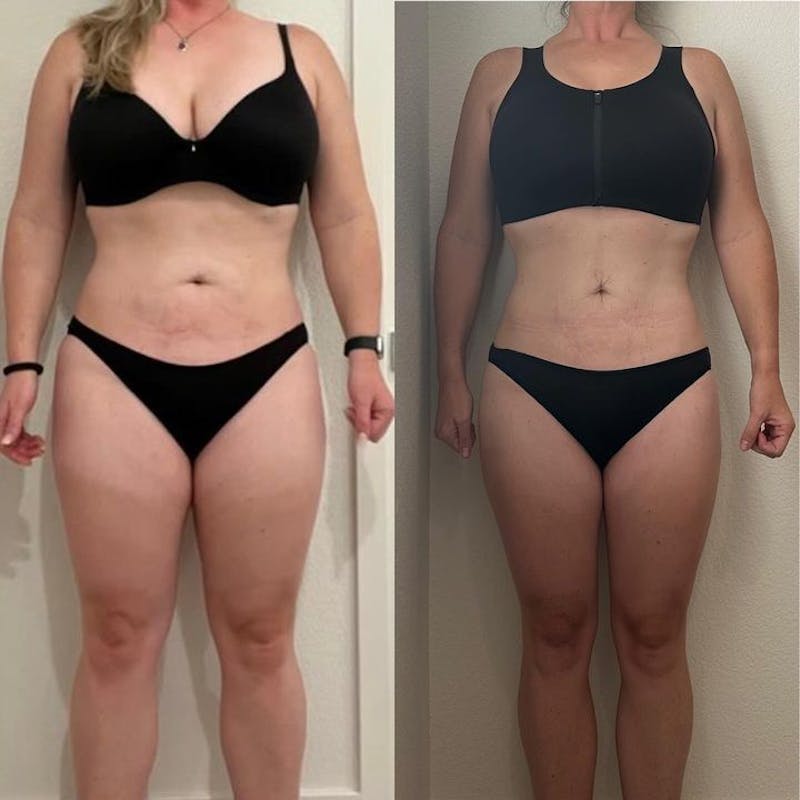
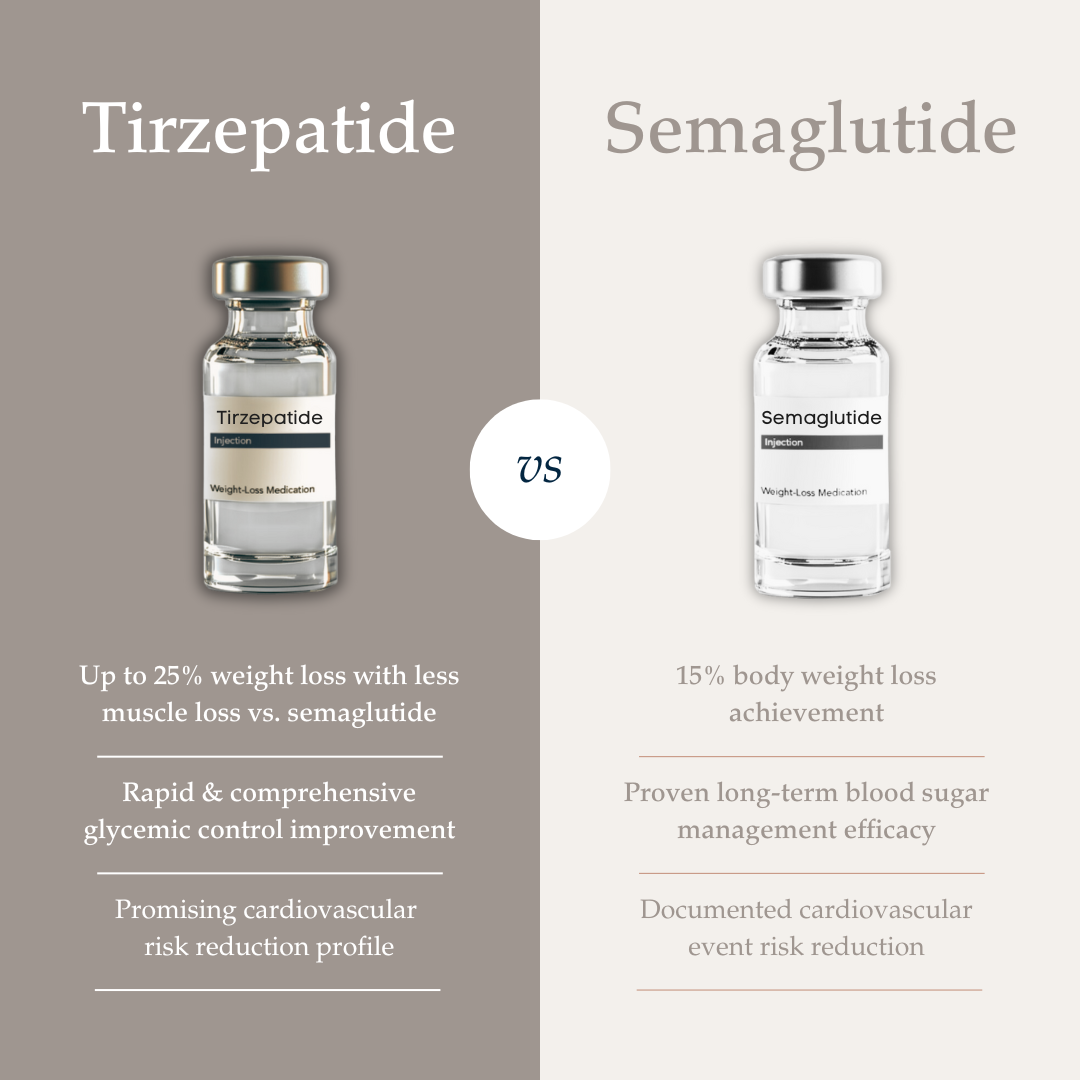
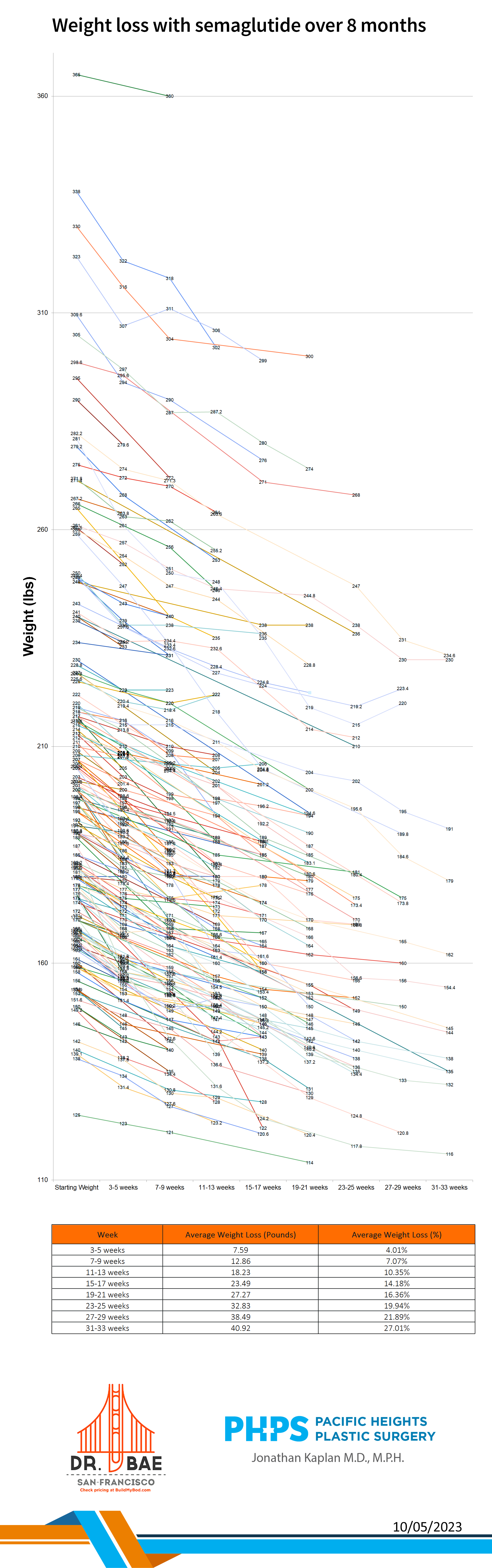
Average Weight Loss Results: Semaglutide (Wegovy, Ozempic): Average: 10-15% of body weight lost Best case: 15-20% of body weight lost Minimum responders: 5-10% of body weight lost Timeline: 68 weeks (16 months) to maximum Tirzepatide (Zepbound, Mounjaro): Average: 15-22% of body weight lost Best case: 25-30% of body weight lost Minimum responders: 10-15% of body weight lost Timeline: 72 weeks (18 months) to maximum Real-World Examples: 200-Pound Person: 250-Pound Person: 300-Pound Person: Month-by-Month Timeline: Months 1-2: Getting Started What Happens: Start at lowest dose (0.25 mg semaglutide or 2.5 mg tirzepatide) Body adjusts to medication Appetite begins decreasing Side effects most noticeable Expected Weight Loss: 3-5 pounds Mostly water weight initially Some fat loss beginning What to Expect: Reduced hunger between meals Smaller portions satisfying Some nausea or GI discomfort Learning injection technique Months 3-4: Momentum Builds What Happens: Dose increases to 0.5 mg semaglutide or 5 mg tirzepatide Appetite suppression more pronounced Side effects typically improving Weight loss accelerating Expected Weight Loss: 8-12 pounds total (5-7 pounds these 2 months) 1-2 pounds per week Visible changes beginning What to Expect: Consistent appetite control Easier to stick to healthy eating More energy as weight decreases Clothes fitting differently Months 5-6: Steady Progress What Happens: Dose increases to 1.0 mg semaglutide or 7.5 mg tirzepatide Sustained weight loss New habits forming Results becoming obvious Expected Weight Loss: 15-20 pounds total (7-8 pounds these 2 months) 1.5-2 pounds per week 8-10% of starting weight lost What to Expect: Significant visible changes Need smaller clothing sizes Improved energy and mobility Lab improvements (if checked) Family/friends noticing changes Months 7-12: Continued Loss What Happens: Dose increases to 1.7-2.4 mg semaglutide or 10-15 mg tirzepatide Approaching maintenance dose Weight loss continues steadily Metabolic benefits maximizing Expected Weight Loss: 25-35 pounds total (10-15 pounds these 6 months) 1-1.5 pounds per week 12-17% of starting weight lost What to Expect: Substantial transformation Multiple clothing sizes smaller Improved health markers Better physical function Sustained appetite control Months 13-20: Reaching Maximum What Happens: At maintenance dose Weight loss continuing but slower Approaching maximum loss Maintaining new weight becoming focus Expected Weight Loss: 30-50+ pounds total (5-15 pounds these months) 0.5-1 pound per week 15-22% of starting weight lost (depending on medication) What to Expect: Final weight stabilizing Focus on maintaining Lifestyle changes solidified Dramatic overall transformation Factors Affecting Results: Why Some People Lose More: Start at higher weight (more to lose) Strictly follow lifestyle recommendations Reach higher medication doses Excellent medication adherence Good side effect tolerance Genetic factors (responder status) Why Some People Lose Less: Cant tolerate higher doses due to side effects Inconsistent medication adherence Dont implement lifestyle changes Have conditions affecting metabolism (hypothyroidism, PCOS) Genetic factors (lower responder) Medications interfering with weight loss Individual Variation: Responder Spectrum: Super Responders (10-15% of patients): Lose 25-30% of body weight Excellent tolerance of maximum doses Dramatic appetite suppression May lose more than clinical trial averages Average Responders (70-80% of patients): Lose 15-22% with tirzepatide, 10-15% with semaglutide Experience typical side effects Reach maintenance doses successfully Match clinical trial averages Low Responders (10-15% of patients): Lose 5-10% of body weight May have significant side effects limiting doses Moderate appetite suppression Below clinical trial averages May benefit from switching medications or adding interventions You cant predict which category youll fall into until you try the medication