Model Is the work done in isolated cells, in animals, or in humans Human data carry more weight for decisions that depend on actual outcomes Material Is the study using GHK Cu, GHK alone, or a vague copper peptide Does the methods section specify how the complex was prepared or verified Endpoint Is the primary outcome a molecular marker, a histology readout, or a clear clinical change such as wound closure speed or graded skin appearance Biomarkers can be useful, but they are not interchangeable with clinical outcomes Comparator Is there a placebo or vehicle control Is there a standard of care or another active comparator Exposure Are the doses or concentrations used in the experiment close to what could be achieved in a practical setting Some in vitro work uses concentrations that are orders of magnitude higher than those ever used in people Funding and conflicts Who funded the work Are there obvious commercial ties These factors do not automatically invalidate a study, but they do guide how skeptical a reader should be
How PlexusDx Supports a More Personalized Approach PlexusDx's Precision Peptide Genetic Test may help provide context for how your individual genetic predispositions in GLP1R, GIPR, FTO, and MC4R pathways relate to GLP-1 and GIP agonist response
Also, this substance helps cell survival, which was visible in the MTT test results
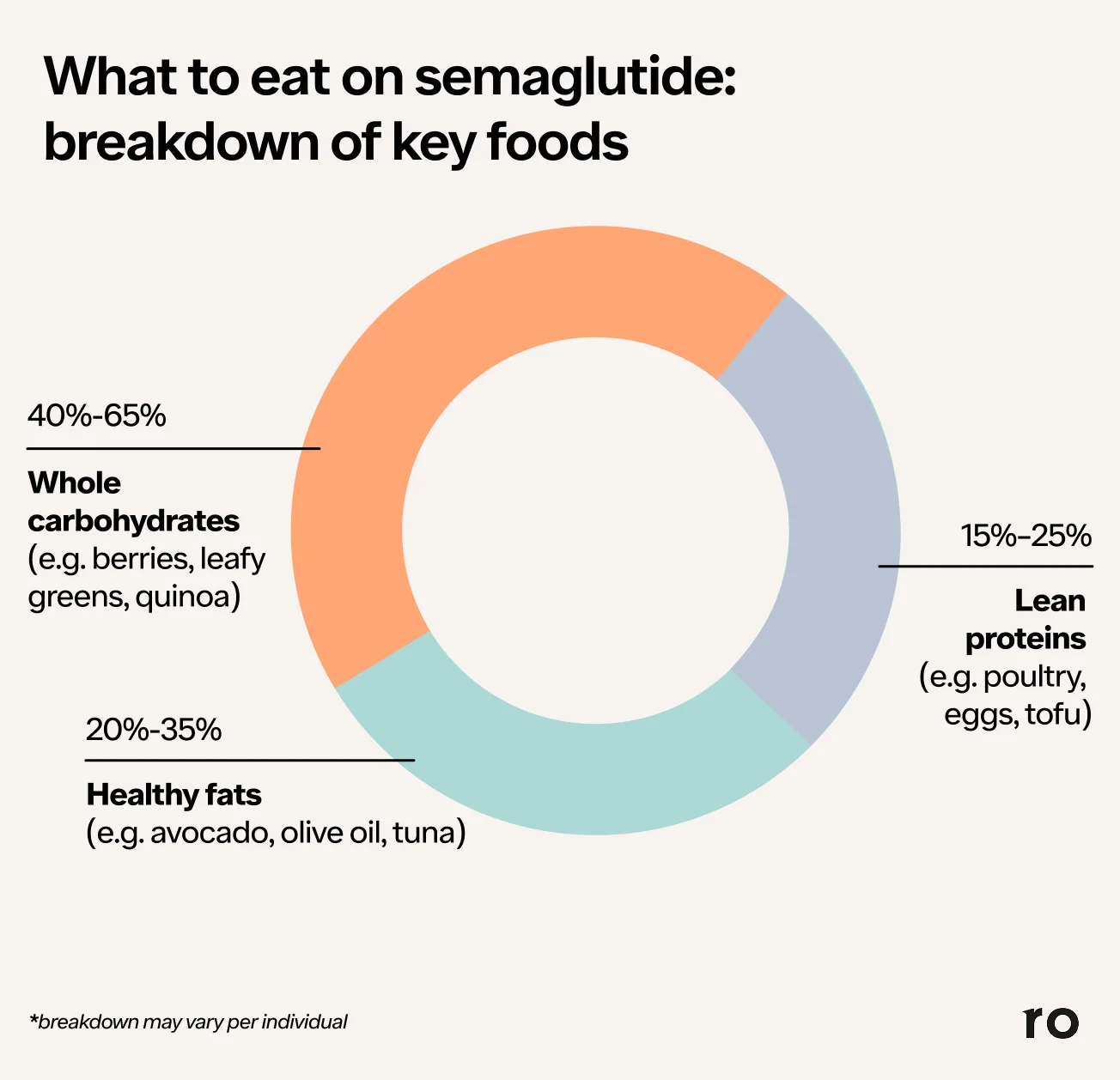
Dietary modifications are particularly important: Eat smaller, more frequent meals rather than three large meals daily Avoid high-fat, greasy, or spicy foods that can exacerbate nausea Choose bland, easily digestible foods such as toast, crackers, rice, and bananas Stay well-hydrated by sipping water throughout the day, but avoid drinking large volumes with meals Eat slowly and chew food thoroughly to aid digestion Avoid lying down immediately after eating
Where indicated, cells were treated with 2-h pulses of 1 M epirubicin, 5 M 5FU, twice a week or irradiated with 2 Gy (once a week using an Xstrahl CIX2 or RPS CellRad RSM-009 irradiators)